Entering your fifties is often described as a second prime. It is a decade characterized by professional stability, personal clarity, and a deeper appreciation for the nuances of life. However, this milestone also signals a period of significant physiological transition. The body begins to operate under a different set of biological rules, and the “maintenance-free” days of your twenties and thirties are replaced by a need for intentional, specialized care.
Understanding these changes is the first step toward mastering them. Rather than viewing physical shifts as a decline, successful aging involves viewing them as a series of adjustments. By refining your nutrition, seeking targeted medical expertise, and staying ahead of musculoskeletal shifts, you can ensure that your physical health remains a robust foundation for your lifestyle.
Understanding the Internal Shift: Hormones and Energy
The most profound changes after fifty often happen where they cannot be seen. The endocrine system, which regulates everything from metabolism to sleep cycles, begins to recalibrate. For many, this results in a noticeable dip in daily stamina or a change in body composition that seems resistant to traditional exercise.
One of the most effective ways to address the systemic fatigue that often accompanies this life stage is to consult with an endocrinologist or a longevity specialist. Discussing the potential for hormone replacement can help bridge the gap between how you feel and how you want to feel, as stabilizing these chemical messengers can improve cognitive function and emotional resilience.
For men specifically, the gradual reduction in androgen production can lead to more than just physical tiredness; it can affect muscle retention and mental drive. Seeking low T treatment from a qualified medical professional allows for a tailored approach to restoring these levels safely, ensuring that the metabolic “engine” continues to run efficiently throughout the decade.
Key Strategies for Hormonal Vitality:
- Prioritize seven to nine hours of quality sleep to support natural growth hormone production.
- Incorporate heavy resistance training twice a week to stimulate the endocrine response.
- Monitor thyroid levels alongside primary sex hormones during annual blood panels.
- Reduce the intake of processed sugars, which can lead to insulin resistance and hormonal disruption.
Supporting Sensory Health and External Wellness
The cumulative effect of environmental exposure often begins to manifest in our fifties, particularly regarding our vision and our skin. These changes are frequently subtle at first, such as needing a bit more light to read or noticing that the skin takes longer to bounce back from a minor scratch.
Chronic irritation in the eyes is a frequent complaint for those over fifty, often exacerbated by a lifetime of digital device usage. Using targeted vitamins for dry eyes, particularly those rich in high-quality fish oils and zeaxanthin, can help maintain the lipid layer of the tear film and protect the surface of the eye from inflammation.
The skin also requires a more medicalized approach during this decade, as the rate of cellular turnover slows down significantly. Regular visits to a clinic specializing in dermatology are no longer just about aesthetics; they are a critical component of preventative care, allowing for the early identification of precancerous lesions and the management of age-related thinning.
Daily Habits for Sensory and Skin Protection:
- Wear polarized sunglasses even on overcast days to prevent UV-related macular degeneration.
- Apply a broad-spectrum SPF 30 or higher every morning, regardless of your planned activities.
- Follow the 20-20-20 rule: every 20 minutes, look at something 20 feet away for 20 seconds to reduce eye strain.
- Hydrate from the inside out by increasing water intake and consuming skin-supporting fats like avocado and walnuts.
Navigating Intimacy and Self-Image

Physical wellness is inextricably linked to psychological well-being, and how we perceive our aging bodies can impact our closest relationships. Many adults find that the physiological changes of their fifties require a new dialogue about intimacy and self-esteem.
Maintaining a fulfilling connection with a partner involves acknowledging that the body’s responses may change over time. Prioritizing sexual health through open communication with your doctor ensures that you have access to modern solutions for circulation and libido, allowing you to maintain a vital part of your human experience without frustration.
At the same time, changes in appearance can weigh on a person’s sense of identity. If hair thinning is a source of stress, consulting with a male hair loss specialist can provide a range of options from topical prescriptions to advanced follicular restoration, helping to align your external image with your internal energy.
Actionable Tips for Confidence and Connection:
- Practice “mindful movement” or yoga to stay in tune with your body’s sensations.
- Schedule a comprehensive cardiovascular screening, as heart health and circulatory function are directly linked to intimate wellness.
- Discuss the emotional aspects of aging with your partner to ensure you are both navigating these changes as a team.
- Explore new styles or grooming routines that celebrate your current age while maintaining a polished appearance.
Mastering Structural Integrity and Alignment
Regular maintenance of the spine is essential for keeping the nervous system functioning without interference, as the vertebrae protect the very pathways that allow your brain to communicate with your limbs. Many people find that visiting chiropractors helps to manage joint restrictions and improve the body’s ability to heal itself from the stresses of daily life, ensuring that minor misalignments do not become permanent hurdles to your mobility. By addressing these mechanical dysfunctions early, you reduce the inflammation that often leads to secondary issues like nerve impingement or muscle spasms.
When discomfort does arise, it is often centered in the lower or upper torso, areas that bear the brunt of our postural habits. Effectively managing back pain requires a sophisticated combination of core strengthening and professional guidance to ensure that you are not overcompensating with other muscle groups, which can lead to a painful cascade of secondary injuries in the hips or neck.
As we age, the connective tissues, known as fascia, tend to thicken and shorten if not regularly challenged through varied planes of movement. This can lead to a “locking” of the pelvis and ribcage, making simple tasks like reaching for a high shelf or twisting to look behind you feel laborious. Incorporating daily decompression movements and functional resistance training creates a resilient frame that can absorb the impact of a vigorous life, ensuring your skeletal health supports your ambitions rather than limiting them.
Exercises for Structural Longevity:
- Dead bugs and planks: These stabilize the deep core and transverse abdominis without putting undue stress on the lumbar spine or aggravating the discs.
- Hip mobility drills: Tight hips are a primary contributor to lower-body discomfort and gait changes; maintaining a full range of motion here protects the knees and lower back.
- Wall slides: These help maintain shoulder mobility and combat the “hunch” that can develop from years of desk work or a forward-leaning posture.
- Consistent walking: Brisk walking for 30 minutes a day acts as a natural pump for the spine, keeping the intervertebral discs hydrated and functional through gentle movement.
Resolving Specialized Pain and Jaw Health
As we refine our approach to health, we must look at the specific areas of the body that are often overlooked in general fitness routines. This includes the complex systems of the neck, jaw, and deep spinal tissues that require expert intervention when standard exercise isn’t enough.
For those dealing with persistent issues that don’t respond to stretching or massage, seeking out back pain relief doctors can provide a higher level of diagnostic clarity. These specialists can offer interventional treatments that target the specific source of nerve or disc irritation, allowing you to return to your favorite activities faster.
Furthermore, the health of the jaw is frequently neglected until it begins to cause chronic headaches or ear pain. A consultation with a TMJ dentist can reveal if your bite has shifted over the years or if nighttime grinding is causing structural damage, providing relief through custom orthotics or alignment corrections.
Checklist for Targeted Pain Management:
- Evaluate your ergonomic setup: Ensure your monitor is at eye level to prevent “tech neck” and jaw tension.
- Audit your stress levels: Emotional tension often manifests as clenched teeth or a tight lower back.
- Incorporate anti-inflammatory foods: Turmeric, ginger, and fatty fish can help reduce systemic pain.
- Stay consistent with physical therapy: If prescribed, those small corrective movements are the most important part of your routine.
Integrating Nutrition and Cellular Support
While medical specialists provide the framework for healthy aging, nutrition provides the raw materials. In your fifties, the body becomes less forgiving of “empty calories” and requires a higher density of micronutrients to maintain the same level of cellular repair.
Protein intake becomes more critical than ever during this decade to combat sarcopenia, the natural loss of muscle mass. Aiming for a consistent amount of lean protein at every meal supports tissue repair and helps maintain a healthy weight by promoting satiety. Additionally, focusing on fiber-rich vegetables ensures that the digestive system stays efficient, which is vital for the absorption of the nutrients that keep your organs functioning at their peak.
Essential Nutrients for the Over-50 Body:
- Calcium and Vitamin D: Crucial for maintaining bone density as hormonal protection wanes.
- B12: Absorption often decreases with age; this vitamin is essential for nerve function and energy.
- Magnesium: Helps with muscle relaxation, sleep quality, and over 300 biochemical reactions in the body.
- Potassium: Vital for counteracting the effects of sodium and maintaining healthy blood pressure levels.
Building a Sustainable Movement Practice
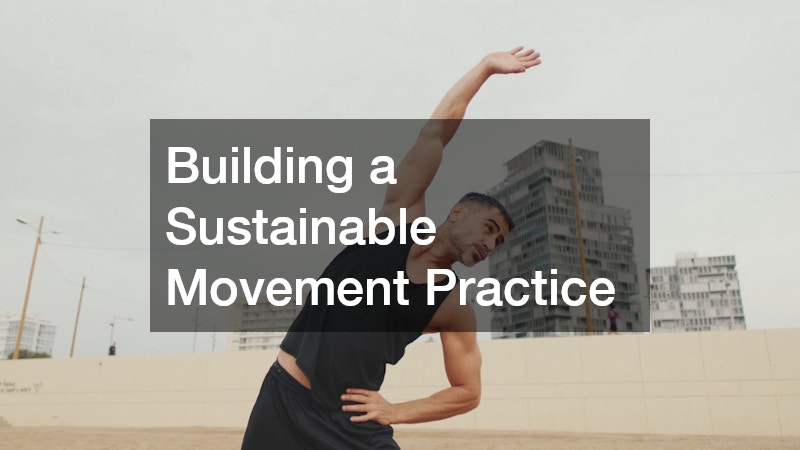
The “all or nothing” approach to fitness that might have worked in your younger years is often counterproductive after fifty. A sustainable movement practice is built on the principles of consistency, recovery, and variety. It is no longer about how much you can punish your body, but how well you can nourish it through movement.
Balance training is a frequently ignored component of fitness that becomes vital as we age. Simple exercises like standing on one leg while brushing your teeth or practicing tai chi can significantly reduce the risk of falls and improve your spatial awareness. Combining this with moderate cardiovascular work ensures that your heart remains strong while your joints remain protected.
The Pillars of a Balanced Fitness Routine:
- Strength: Lift weights to protect your bones and maintain your metabolic rate.
- Flexibility: Dynamic stretching keeps the connective tissues supple and reduces the risk of tears.
- Endurance: Zone 2 cardio (where you can still hold a conversation) builds mitochondrial health.
- Balance: Stability exercises protect against the most common causes of injury in later decades.
Mental Wellness and the Aging Brain
Finally, managing the physical changes of your fifties must include a focus on cognitive health. The brain is a physical organ that requires the same level of attention as your heart or your muscles. Engaging in lifelong learning, staying socially active, and managing chronic stress are all physical acts that protect the brain’s architecture.
Neuroplasticity—the brain’s ability to form new connections—continues well into old age, provided the brain is sufficiently challenged. Whether it is learning a new language, picking up a musical instrument, or simply changing your daily routine, these activities stimulate the growth of new neurons and build a “cognitive reserve” that can protect against future decline.
Habits for Cognitive Longevity:
- Socialize regularly: Deep social connections are one of the strongest predictors of long-term brain health.
- Limit alcohol consumption: Alcohol has a more pronounced effect on the aging brain and can disrupt sleep-related memory consolidation.
- Manage blood pressure: What is good for the heart is almost always good for the brain.
- Prioritize novelty: Seeking out new experiences keeps the brain’s reward and learning systems engaged.
The journey through your fifties and beyond is an opportunity to refine your approach to life and health. By acknowledging that your body has different requirements than it once did, you empower yourself to make choices that lead to long-term vitality. This stage of life is not a signal to slow down, but a prompt to move more intentionally. When you partner with the right specialists and commit to a lifestyle of proactive care, you set the stage for a future that is as active and fulfilling as any decade that came before it. Your fifties are the perfect time to invest in the most important asset you own: your health.