Growing older brings opportunities to explore new interests, strengthen relationships, and enjoy the experiences that make life meaningful. Maintaining well-being during this stage involves more than keeping up with physical health. Emotional balance, social connections, personal confidence, financial preparedness, and access to appropriate care all contribute to a fulfilling lifestyle. By making thoughtful choices and staying engaged with the world, older adults can support their independence and enjoy their golden years with greater confidence.
Build a Foundation for Healthy Aging
Healthy aging begins with paying attention to the habits and routines that support everyday life. Regular movement, balanced meals, restorative sleep, and preventive health appointments can help older adults maintain energy and manage changes that come with age. Small, consistent decisions often make a meaningful difference over time, especially when they fit comfortably into an established routine.
It’s also important to recognize that everyone’s needs are different. Some people remain active well into their later years, while others may need additional assistance with mobility, household tasks, or personal routines. A home health care service may be appropriate for individuals who need certain types of health-related support at home, depending on their circumstances and eligibility. Discussing care needs with qualified providers can help older adults and their families understand available options.
Preventive care should remain a priority even when someone feels well. Routine appointments can provide opportunities to discuss changes in sleep, appetite, balance, hearing, or energy levels. Keeping a list of questions and sharing updates with in home care providers can make these conversations more productive.
Make Nutrition and Movement Part of Everyday Life
Food and physical activity influence how people feel, function, and participate in their communities. Older adults can benefit from meals that include a variety of vegetables, fruits, whole grains, protein sources, and other nutrient-rich foods. Individual needs may vary based on medical conditions, appetite, medications, and dietary restrictions, so a registered dietitian or health care provider can offer guidance when planning changes to eating habits.
Staying hydrated is equally important. Some older adults may not notice thirst as readily as they once did, making it useful to establish regular opportunities to drink water throughout the day. Keeping a drink nearby during meals, social visits, or recreational activities can make hydration easier. People with medical conditions that require fluid restrictions should follow their clinician’s recommendations rather than applying general advice.
Protect Emotional Health and Find Meaningful Support
Emotional well-being deserves attention at every age. Retirement, bereavement, changes in mobility, caregiving responsibilities, and shifts in family relationships can bring complicated feelings. Even positive transitions may require time to adjust. Acknowledging these experiences rather than dismissing them can make it easier to identify what kind of support would be helpful.
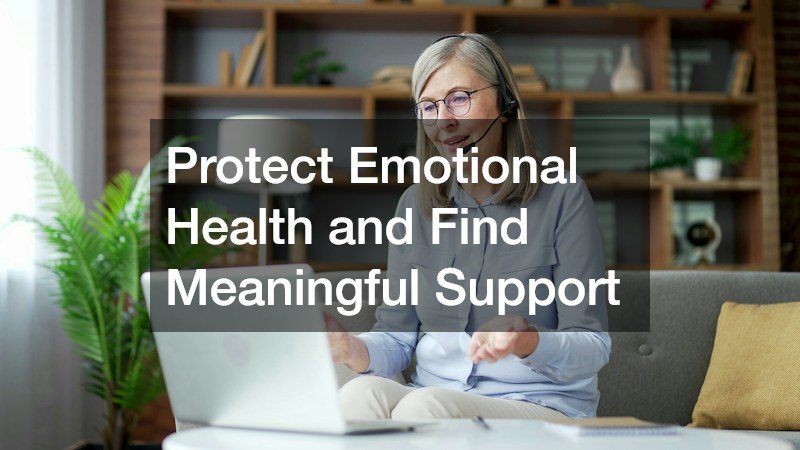
Maintaining relationships is one way to protect emotional health. Regular conversations with friends, family members, neighbors, or community groups can provide companionship and a sense of belonging. For those who live alone or have limited transportation, scheduled phone calls and virtual gatherings can help maintain connections. Volunteering or participating in local clubs may also create opportunities to meet people who share similar interests.
When worry, sadness, grief, or loneliness becomes persistent, professional support can offer another source of help. A mental health counselor can work with an older adult to explore concerns, develop coping strategies, and navigate life transitions. Seeking support is a constructive step, not a sign of weakness. If emotional difficulties interfere with daily activities or personal relationships, discussing them with a qualified professional can be worthwhile.
Make Time for Relaxation and Personal Rejuvenation
Rest is an essential part of a balanced lifestyle. Older adults may find that they need to adjust their schedules to accommodate changing energy levels, sleep patterns, or physical comfort. Allowing time between appointments, errands, and social commitments can reduce unnecessary stress and make daily activities more enjoyable. A flexible routine can provide structure without making every day feel overplanned.
Relaxation can take many forms. Listening to music, reading, spending time in nature, practicing gentle breathing exercises, or enjoying a favorite hobby can provide a welcome break from daily responsibilities. Some people benefit from activities that encourage mindfulness, while others prefer conversation or creative expression. Exploring different approaches helps individuals discover what genuinely leaves them feeling refreshed.
A visit to a local wellness spa may provide an opportunity to unwind through suitable relaxation services. Older adults should consider comfort, accessibility, and any relevant health concerns when choosing treatments. Certain services may not be appropriate for people with specific medical conditions, so asking questions before booking can help ensure a more comfortable experience. Wellness activities should complement appropriate medical care rather than replace it.
Maintain Oral Health and Confidence in Your Smile
Oral health is closely connected to overall well-being. Healthy teeth and gums can make eating, speaking, and socializing more comfortable, while untreated dental problems may affect nutrition and quality of life. Daily brushing with fluoride toothpaste, cleaning between teeth, and attending regular dental appointments can help identify concerns before they become more difficult to address.
Older adults may experience changes such as dry mouth, gum recession, tooth wear, or increased sensitivity. Some medications can contribute to dry mouth, which may raise the risk of tooth decay. Sharing these symptoms with a dentist can help determine appropriate ways to protect oral tissues and maintain comfort. Dentures and other dental appliances also need regular attention to ensure that they fit properly and remain in good condition.
For individuals who have lost teeth, a dentist may discuss options that restore function and appearance. Depending on oral health, bone structure, medical history, and personal goals, dental implants may be one possible treatment. They are not suitable for everyone, and treatment may involve multiple stages, healing time, and ongoing maintenance. A thorough consultation can help clarify potential benefits, limitations, costs, and alternatives.
Support Personal Style and Everyday Confidence
Personal appearance can be a meaningful form of self-expression at any age. Choosing comfortable clothing, maintaining a favorite hairstyle, or making time for grooming can help people feel prepared for social activities and daily routines. These choices are personal, and there is no need to follow changing trends to enjoy the confidence that comes from feeling comfortable in your own appearance.
Hair can change in texture, thickness, and growth patterns over time. Gentle care, suitable products, and styles that fit individual preferences can make grooming more manageable. Anyone experiencing sudden or significant hair loss should discuss it with a health care professional, as underlying conditions or medication effects may contribute to the change. Avoiding harsh treatments may also help reduce unnecessary damage.
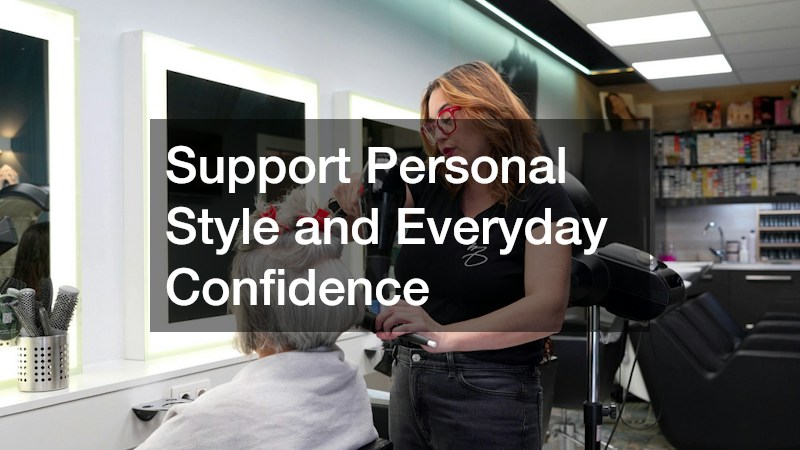
Visiting a hair salon can offer more than a haircut. For some older adults, a regular appointment provides a familiar routine and an opportunity for conversation. Choosing a location with accessible entrances, comfortable seating, and convenient transportation can make visits easier. Some salons may also offer services at home for people who have difficulty traveling.
Choose Skin Care and Wound Support Carefully
Skin changes with age, often becoming thinner, drier, and more vulnerable to irritation. Gentle cleansing, regular moisturizing, sun protection, and avoiding unnecessarily harsh products can help support skin comfort. It is also useful to pay attention to pressure points and areas exposed to friction, particularly when mobility is limited or a person spends extended periods sitting or lying down.
Small skin injuries can deserve extra attention in older adults, especially for people with diabetes, circulation problems, reduced sensation, or conditions that slow healing. Persistent redness, swelling, increasing pain, unusual drainage, or a wound that does not improve should be assessed by a qualified health care professional. A clinician can determine whether further evaluation or treatment is needed and explain how to protect the affected area.
When dressings or medical devices need to remain in place, the choice of adhesive should be based on the person’s skin condition and the intended use. Searching for the strongest adhesive tape for skin is not necessarily the best approach because a stronger bond may increase discomfort or skin damage during removal. Medical professionals can recommend appropriate products based on factors such as moisture, movement, sensitivity, and how frequently a dressing must be changed.
Stay Socially Active Through Hobbies and Recreation
Leisure activities help make retirement rewarding by creating opportunities for movement, companionship, and personal achievement. Hobbies can also provide structure to the week, giving older adults something enjoyable to anticipate. The best choices reflect individual interests, physical abilities, budget, and access to transportation rather than expectations about what people should do at a certain age.
Some people enjoy arts and crafts, music groups, book clubs, gardening, or lifelong-learning courses. Others prefer activities that involve gentle competition or time outdoors. Recreational programs offered by community centers, libraries, senior organizations, and local clubs can make it easier to explore interests without committing to expensive equipment or extensive travel.
Golf, for example, may combine outdoor recreation with social interaction. People who enjoy the sport might consider a golf membership if the cost, course access, and available amenities suit their lifestyle. Before committing, it can be helpful to compare membership fees, cart policies, accessibility, and opportunities for lessons or group play. Those who prefer a less structured option may enjoy occasional rounds or other outdoor activities instead.
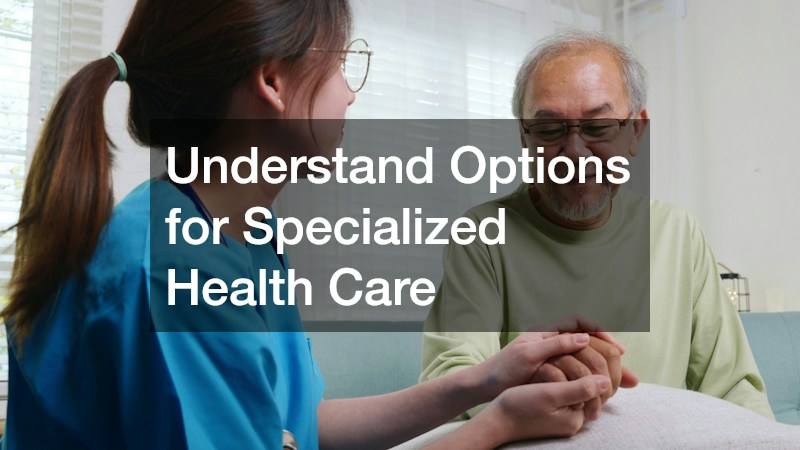
Understand Options for Specialized Health Care
As people age, they may need to navigate care for more than one health concern. Clear communication among the individual, family members when appropriate, and health care providers can help everyone understand the purpose of each treatment and how it fits into the broader care plan. Keeping an up-to-date list of medications, allergies, appointments, and relevant medical information can also support more informed conversations.
Some conditions require specialized assessment rather than general wellness measures. Foot ulcers, for example, can have several underlying causes and may be difficult to heal without addressing circulation, pressure, infection risk, or other contributing factors. Treatment depends on the wound and the person’s overall health. A qualified clinician can evaluate the ulcer and explain suitable options, which may include specialized wound care or referral to another provider.
Topical oxygen therapy for foot ulcer treatment is one approach that may be considered in certain clinical circumstances, but its suitability depends on the wound, the available evidence, and the treating professional’s judgment. It should not be assumed to replace established wound assessment, appropriate pressure relief, infection management, or treatment of underlying conditions. Anyone with a foot ulcer, particularly someone with diabetes or reduced circulation, should seek timely medical care instead of delaying evaluation to try a particular therapy.
Plan Ahead for Health Coverage and Financial Stability
Financial well-being can influence nearly every part of retirement, from housing and recreation to access to health services. Creating a realistic budget helps older adults understand regular expenses, prepare for occasional costs, and decide which activities best fit their resources. Reviewing subscriptions, transportation needs, housing costs, and discretionary spending may reveal opportunities to direct money toward higher priorities without sacrificing every enjoyable experience.
Health coverage deserves particular attention because premiums, deductibles, copayments, prescription costs, and provider networks can affect a household budget. Medicare choices can be complicated, and coverage details differ by plan and location. Older adults should review their current needs, preferred providers, prescription medications, and anticipated services before making decisions during an enrollment period.
Speaking with a representative from a medicare insurance company may help clarify available plan options, costs, and coverage rules. It is important to understand whether the representative discusses a limited set of plans or a broader range of choices. People can also seek information through official Medicare resources and state health insurance assistance programs. Comparing options carefully may help identify coverage that better fits individual needs and financial circumstances.
Thriving in your golden years isn’t about following a perfect routine or avoiding every challenge. It is about caring for your health, nurturing meaningful relationships, staying open to new experiences, and making informed choices about the support you need. With a thoughtful approach to total well-being, older adults can continue building a life shaped by comfort, connection, purpose, and enjoyment.