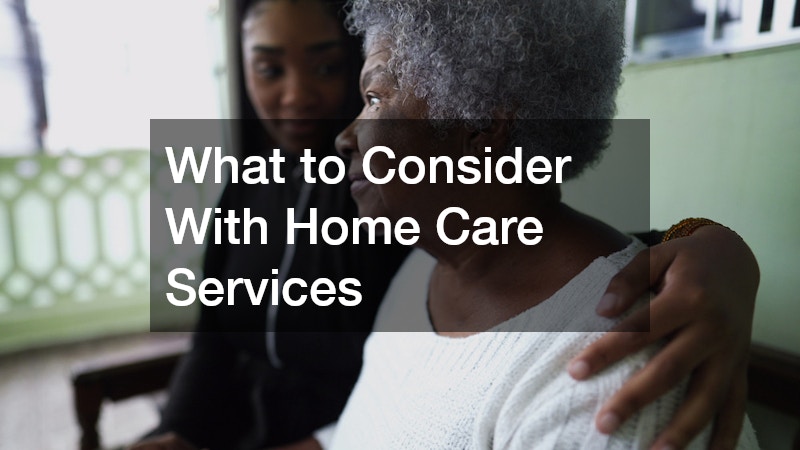
Home care services can be a crucial part of maintaining independence and quality of life for individuals who need support with daily activities. These services cater to a wide range of needs, from medical assistance to personal care, and can be customized to fit individual preferences. Understanding the scope of what these services provide is essential for making informed decisions.
The breadth of services available means that care can be tailored specifically, whether it’s for someone recovering from surgery or for an elderly relative needing help with daily tasks.
One of the benefits of home care is the ability to receive personalized care in the comfort of one’s own home. This familiarity often reduces stress and anxiety, promoting better overall health outcomes. Moreover, family members are more likely to be involved in the care process, allowing for a collaborative approach. The involvement of trusted family members can lead to better communication between the client and caregiver, ensuring that all parties are informed and comfortable with the care plan.
Another aspect to consider is the level of experience and training of the caregivers. Qualified caregivers bring expertise and empathy, which are crucial for delivering effective care. It’s important to assess the credentials of the home care agency or individual providers involved. Informed decision-making starts with understanding the qualifications that are necessary to meet your loved one’s specific needs. Additionally, well-trained caregivers are adept at adapting to changing care needs, which is essential as conditions evolve.
Assessing Costs and Financial Considerations
When planning for home care services, cost is inevitably a major factor to consider. It’s crucial to understand the financial implications and how services can fit within a budget. The costs can vary greatly depending on the type and extent of care required and whether it includes medical or non-medical assistance. An assessment of the required services will help in forming a budget that ensures support does not surpass financial capabilities. It’s beneficial to explore different home care agencies and their pricing models to find a suitable match.
Insurance coverage can play a significant role in offsetting home care costs. Many individuals and families overlook the potential for insurance to cover a portion of these expenses. Reviewing current insurance policies and consulting with insurance providers could unearth benefits that focus on home health services, making them more affordable. Additionally, some states offer programs to assist with the costs of home care, which could be invaluable for families working with limited budgets. Exploring these options can significantly affect financial planning.
Furthermore, understanding potential out-of-pocket expenses helps in avoiding unexpected financial burdens. Hidden costs can arise from unexpected needs or changes in the level of care, so it’s wise to maintain a flexible budget. Families can also look into any financial assistance programs offered by local or federal governments. By preparing for both expected and unexpected expenses, you can ensure that quality care remains uninterrupted. Ensuring financial sustainability is key to effectively managing ongoing home care services.
Evaluating the Quality and Flexibility of Care Services
The quality of care provided is paramount when selecting home care services. High-quality care services are those tailored to meet the unique needs and preferences of each individual. This personalization requires an in-depth understanding of the client’s needs and regular assessments to adapt as those needs evolve. Care should encompass physical, emotional, and psychological support to be truly comprehensive. Evaluating the quality of potential home care services can involve reviewing accreditation, seeking testimonials, and understanding the provider’s care philosophy.
Flexibility is another critical factor, as the needs of individuals receiving care can change over time. A flexible care plan can seamlessly adjust during times of improvement or deterioration in health, allowing for consistent and appropriate care. This adaptability includes modifying schedules, care tasks, or even the intensity of care. Discussions with caregivers about their ability to modify care plans and respond to sudden changes can provide peace of mind. Knowing that a home care provider is prepared to adapt ensures that evolving needs will always be met.
Consistent communication between caregivers, clients, and family members should also be a cornerstone of a quality home care service. Regular updates, either through meetings or digital means, ensure everyone is informed of any changes or developments in care. This engagement fosters trust and strengthens the relationship between the client and caregiver. An open line of communication is vital for addressing any concerns promptly and efficiently, making it easier to maintain a harmonious care environment. Effective communication is the glue that holds quality home care together, ensuring satisfaction and security.