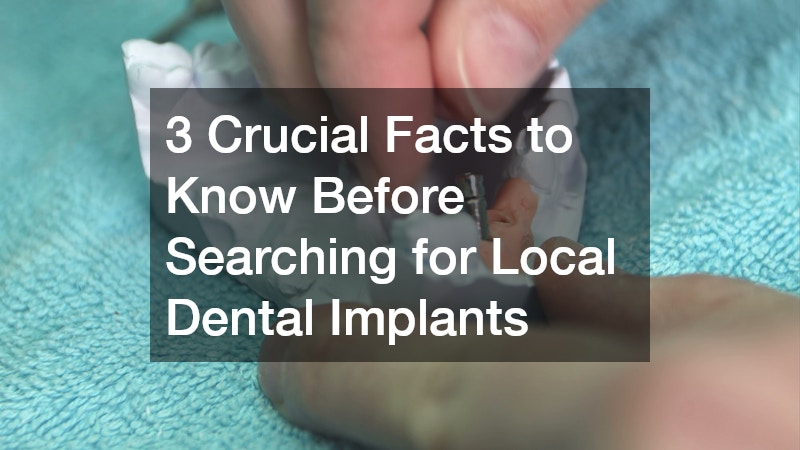
Replacing missing teeth is about more than restoring your smile. It is about protecting your oral health, maintaining proper bite alignment, and preserving jawbone density. If you are beginning to research local dental implants, it is important to understand what the process involves and what factors influence long-term success. Dental implants are a highly effective solution, but they are also a clinical procedure that requires careful planning, evaluation, and aftercare.
Before scheduling consultations or comparing providers, take time to review these three crucial facts. Having realistic expectations and accurate information will help you make a confident, informed decision.
1. Not Everyone Is an Immediate Candidate for Implants
One of the most important things to understand before searching for local dental implants is that candidacy depends on several clinical factors. While implants have a high success rate, they require sufficient jawbone density and healthy gum tissue to support the titanium post that functions as an artificial tooth root.
When a tooth has been missing for an extended period, the jawbone in that area can begin to deteriorate. This process, known as bone resorption, may reduce the available structure needed to anchor an implant securely. In such cases, a bone graft may be recommended before implant placement. This additional step strengthens the site and improves long-term stability.
Gum health also plays a critical role. Active periodontal disease must be treated before implant surgery can proceed. Inflamed or infected tissues can compromise healing and increase the risk of implant failure. A comprehensive dental examination, including imaging such as digital X-rays or cone beam CT scans, allows a provider to assess both bone volume and soft tissue condition.
Medical history matters as well. Conditions such as uncontrolled diabetes, immune disorders, or certain medications may affect healing time and surgical outcomes. This does not automatically disqualify you, but it does mean that a customized treatment plan is essential.
2. The Process Takes Time and Multiple Appointments
Another critical fact to know before looking for dental implants is that the procedure is completed in phases rather than in a single visit. Unlike dentures or bridges, which can sometimes be fabricated relatively quickly, implants involve surgical placement followed by a healing period known as osseointegration.
Osseointegration is the biological process in which the implant post fuses with the surrounding bone. This integration provides the strength and stability that make implants function similarly to natural teeth. The healing period typically lasts several months, though timelines vary depending on individual healing capacity and whether additional procedures, such as extractions or grafting, are required.
The typical sequence begins with a consultation and diagnostic imaging. If necessary, preparatory procedures are completed first. The implant post is then surgically inserted into the jawbone. After adequate healing, an abutment is attached to connect the implant to the custom-made crown. Finally, the permanent restoration is secured, restoring both aesthetics and function.
While the timeline may seem lengthy, each stage serves a specific purpose in ensuring durability and comfort. Attempting to rush the process can compromise outcomes. Patients who understand the phased nature of treatment are better prepared for temporary restorations, dietary adjustments, and follow-up visits.
3. Cost Reflects Materials, Expertise, and Long-Term Value
Cost is often a primary consideration when researching local dental implants. However, focusing solely on price can lead to incomplete comparisons. Implant treatment involves surgical expertise, high-quality materials, advanced imaging technology, and custom laboratory fabrication. Each component contributes to overall success and longevity.
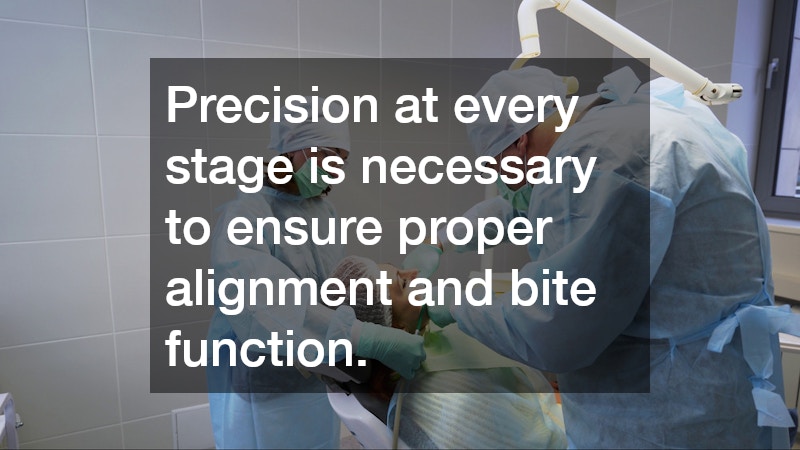
Dental implants are typically made from medical-grade titanium, a material known for its biocompatibility and strength. The crown portion is crafted to match the color, shape, and size of surrounding teeth. Precision at every stage is necessary to ensure proper alignment and bite function.
Although implants may carry a higher upfront cost than alternative options, they often provide superior long-term value. Unlike removable dentures, implants do not shift or require adhesives. Compared to traditional bridges, they do not rely on neighboring teeth for support, preserving natural tooth structure.
When discussing pricing with providers, ask about what is included in the estimate. Some practices bundle imaging, surgical placement, abutments, and crowns into a comprehensive fee, while others itemize services. Understanding the full scope of treatment helps prevent unexpected expenses.
Dental implants offer a reliable, natural-looking solution for replacing missing teeth, but they require thoughtful planning and informed decision-making. Before searching for nearby dental implants, it is essential to understand candidacy requirements, the multi-step treatment process, and the factors that influence overall cost and value.