In today’s rapidly evolving healthcare landscape, home care has emerged as a vital component of medical support, offering a convenient, personalized, and cost-effective alternative to traditional in-patient care. Home care involves the delivery of medical, nursing, and therapeutic care to individuals in the comfort of their own homes.
This article explores the definition, types, benefits, challenges, and the role of technology in home care, providing a comprehensive overview of this essential healthcare service.
What is Home Care?
Home care refers to the provision of medical and non-medical services to individuals in their homes. These services are typically delivered by licensed healthcare professionals, such as nurses, therapists, and caregivers, and are designed to help patients recover from illness, manage chronic conditions, or receive palliative care. Home care services can range from basic assistance with daily living activities to more complex medical treatments, such as wound care, medication management, and physical therapy.
Types of Home Care Services
1. Medical Care: This includes services provided by licensed healthcare professionals. Medical care services may involve administering medications, monitoring vital signs, managing chronic conditions, and performing wound care.
2. Personal Care: Personal care services focus on assisting patients with activities of daily living, such as bathing, dressing, grooming, and toileting. These services are often provided by certified nursing assistants or home health aides.
3. Therapeutic Services: Therapeutic services, such as physical therapy, occupational therapy, and speech therapy, are designed to help patients recover from injuries, surgeries, or illnesses. These services are typically provided by licensed therapists who work with patients to improve mobility, strength, and communication skills.
4. Respite Care: Respite care is a temporary care solution that provides relief to family caregivers. It allows caregivers to take a break from their caregiving responsibilities while ensuring that their loved ones receive the necessary care and support.
5. Palliative and Hospice Care: Palliative care focuses on improving the quality of life for patients with serious illnesses, while hospice care provides end-of-life care for patients with terminal illnesses. Both types of care emphasize comfort, pain management, and emotional support for patients and their families.
Benefits of Home Care
1. Improved Patient Outcomes: Studies have shown that patients who receive home care tend to have better health outcomes compared to those who receive care in institutional settings. Home care allows patients to recover in a familiar and comfortable environment, which can reduce stress and promote healing.
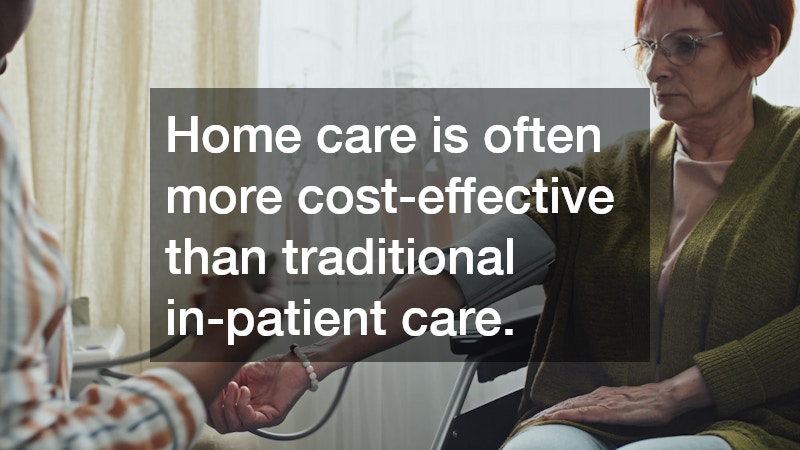
2. Cost-Effectiveness: Home care is often more cost-effective than traditional in-patient care. By providing care in the home, patients can avoid the high costs associated with hospital stays, such as room and board fees.
3. Increased Independence: Home care allows patients to maintain their independence and autonomy by providing the necessary support to help them manage their daily activities. This can improve patients’ quality of life and reduce the risk of social isolation.
4. Family Involvement: Home care encourages family involvement in the patient’s care, allowing family members to participate in decision-making and provide emotional support. This can strengthen family bonds and improve the overall care experience.
5. Reduced Hospital Readmissions: By providing continuous care and monitoring, home care can help prevent hospital readmissions. This is particularly beneficial for patients with chronic conditions who require ongoing medical attention.
Challenges of Home Care
1. Staffing Shortages: The demand for home care services is growing, but there is a shortage of qualified healthcare professionals to meet this demand. This can lead to staffing shortages and increased workloads for existing staff.
2. Coordination of Care: Home care often involves multiple healthcare providers and services, which can make coordination of care challenging. Effective communication and collaboration among healthcare providers are essential to ensure that patients receive comprehensive and coordinated care.
3. Technology Integration: While technology has the potential to enhance home care services, integrating new technologies into existing systems can be complex and costly. Healthcare providers need to invest in training and infrastructure to fully leverage the benefits of technology.
4. Patient Safety: Ensuring patient safety in the home can be challenging, as healthcare providers may not have the same level of control over the home environment as they do in a clinical setting. This requires careful assessment and monitoring of the home environment to identify and mitigate potential risks.
In summary, home care is not just a service; it is a comprehensive approach to healthcare that prioritizes the patient’s needs and well-being. As the demand for home care continues to grow, it is essential for healthcare providers, policymakers, and technology developers to work together to address the challenges and opportunities in this field, ensuring that patients receive the best possible care in the comfort of their own homes.